Guides
Winnipeg freeze-thaw: test before you pressure wash surfaces
How freeze-thaw damages Winnipeg concrete and siding, the test patch and weather checks to run before you pressure wash surfaces, and where the runoff can go.
What to take away
- Water in a hairline crack freezes overnight, widens the crack, and leaves you a spalled driveway by April.
- Most exterior work runs May to October, so five or six months carry the whole year's fixed costs.
- A test patch on a hidden corner decides pressure, nozzle and method before you quote.
- Overnight low, rain in the next 24 hours, and dry-down time are the three checks that move a job.
- Runoff direction decides disposalstorm sewer and sanitary sewer are different problems.
- Price off production days you actually work, not off 365.
How freeze-thaw cycles break concrete and siding
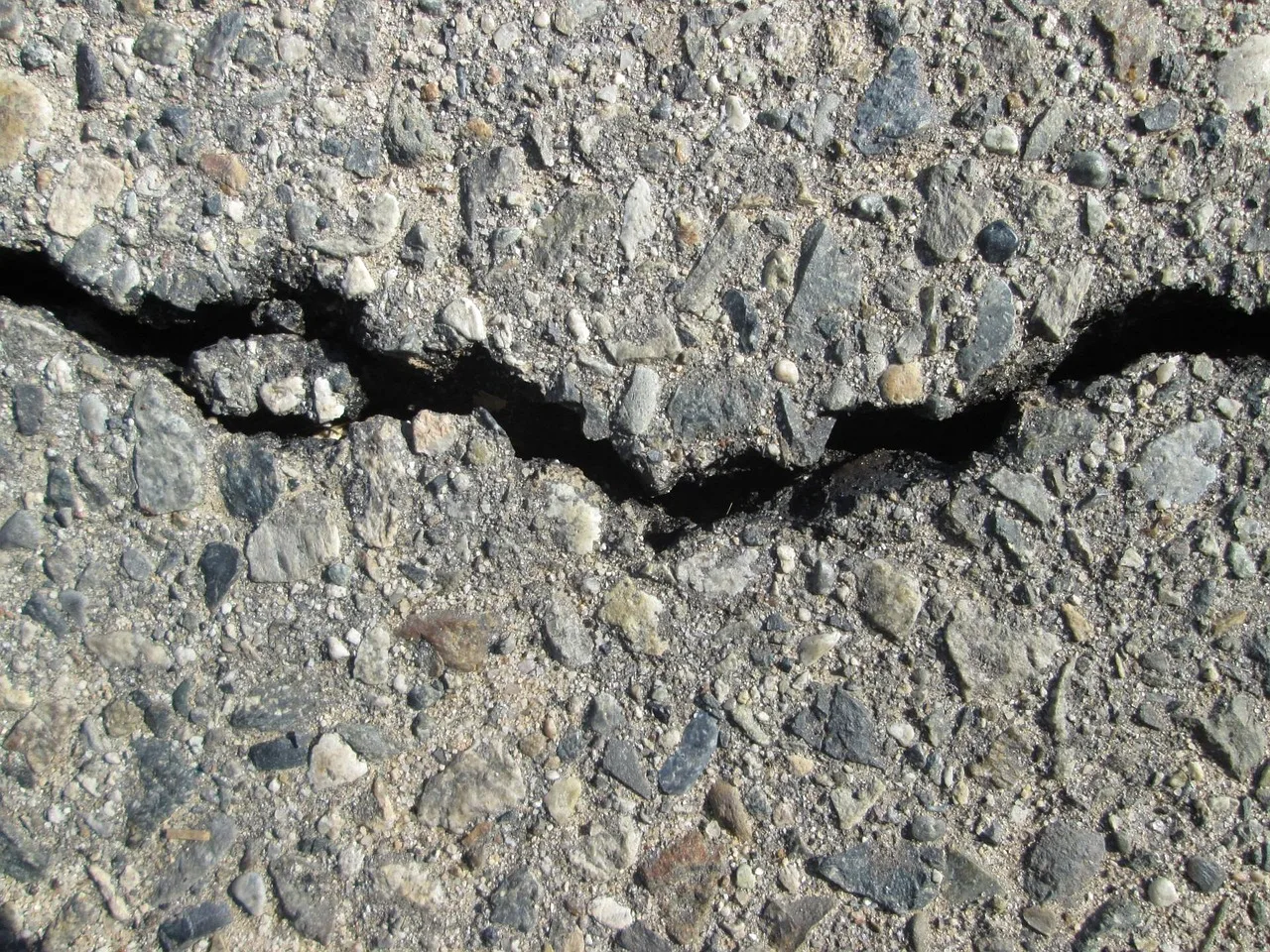
Winnipeg crosses the freezing mark repeatedly in late fall and again in March, so operators who pressure wash surfaces must plan around freeze-thaw. A mild afternoon lets water into a hairline crack or a porous finish. Overnight it freezes, expands, and widens that crack. The next thaw pushes in more water.
After a few winters a sound-looking driveway shows map cracking, then flaking at the edges. That is spalling, and it is the defect Winnipeg operators are most often asked to clean around. Once the top layer lifts, the aggregate underneath is exposed and stains faster than the original surface did.
Siding fails by the same physics through different openings. Water gets behind a loose lap board, a cracked caulk line, or a failing paint edge. Each freeze pushes the gap wider. Vinyl can crack outright in a cold snap; wood swells, dries, and checks.
By spring the property has damage that was not there in October. Washing does not repair it. High pressure on spalled concrete lifts more of the surface, and that turns a cleaning job into a callback.
Why the washing season runs May to October
The season is set by temperature, not by demand. Exterior work needs liquid water, and hoses, tanks and pumps freeze. Most operators take bookings from April and stop by late October.
Usable days are fewer than the calendar suggests. A cold spring delays the first jobs. Heavy summer rain wipes out afternoons. A September frost ends the year for anything that needs a wet surface to dry.
Demand is uneven inside the window. Spring brings post-winter concrete and siding work. Summer is steadier, carrying commercial contracts and residential maintenance. Fall is short and focused on gutters, driveways and pre-winter preparation.
That leaves four or five months of real production and a long off-season. An operator who plans jobs across the window spreads contracts instead of stacking everything into May and June.
Winter work is a narrow niche. Heated water and winterised pumps let crews handle indoor parkades, warehouse floors and some commercial entries. Residential driveways wait for spring, and that wait is what fills the April calendar.
Surfaces that survive a wash and surfaces that do not
Not every surface should meet the same pressure. The table is a starting point, not a substitute for a test patch.
| Surface | Typical risk | Sensible approach |
|---|---|---|
| Sound concrete driveway | Low, if sealed | Medium pressure, even passes |
| Spalled or flaking concrete | High | Low pressure, wide fan, no dwell |
| Vinyl siding | Low to medium | Soft wash or low pressure, top down |
| Painted wood siding | High | Low pressure, avoid seams and bare edges |
| Brick and mortar | High | Low pressure, pre-treat, rinse fast |
| Asphalt shingles | Very high | Avoid pressure, soft wash only |
The test patch is the step that decides the job, so run it the same way every time:
- Pick a hidden corner of each surface type on the propertythe driveway edge behind a planter, a siding board behind a downspout.
- Start at the lowest setting you would use on that surface, with the widest fan tip, held well back.
- Close in gradually, and stop at the first sign of grain loss, paint lift or fibres rising on wood.
- Let the patch dry fully, then look again in daylight. Freeze-thaw damage often shows only once the surface has dried.
- Photograph the patch and note the setting and distance that worked; that note becomes the method on the quote.
If the surface fails at the lowest setting, change method to a soft wash or decline the work.
Surfaces that survive share three traits: they are sound, they drain, and they were maintained. Surfaces that fail are already compromised by freeze-thaw damage, poor drainage or deferred caulking.
Take a 1960s bungalow in St. Vital with fine cracking and two spalled patches near the garage, plus original painted wood siding and failing corner caulk. That job needs low pressure everywhere, a pre-treatment, and a written note that the flaking will continue. A newer Bridgwater build with sealed concrete and vinyl siding takes a faster, firmer wash.
For operators choosing where to focus, the most profitable services in this market are the ones that pair cleaning with surface protection, because the client pays for a result that outlasts one season.
Scheduling around thaw, rain and overnight frost
Scheduling here is a weather problem before it is a calendar problem. Build the week around three checks: overnight low, daytime high, and rain in the next 24 hours.
- Check the overnight low for the job day and the night after. Near freezing, move the job or switch to a dry method.
- Check rain. Washing before a downpour wastes chemical and pushes dirt back onto the surface.
- Confirm the surface can dry before temperatures fall.
- Book spring work after frost leaves the subgrade, not just after the snow melts.
- Book fall work early enough to leave a dry window before the first hard frost.
A daily operating checklist makes this repeatable: weather check, test patch, runoff direction, photo record at handover. Those four habits prevent most callbacks.
Commercial clients need work inside narrow windows, so confirm access, water supply and drainage before promising a date. Residential clients are more flexible and less tolerant of a wet driveway the next morning.
Keep a rain buffer in every week. Two or three lost days a month is normal, and a schedule with no slack turns one storm into a backlog that runs into June. Tell clients at booking that the date is weather dependent.
For Manitoba-specific workplace safety information, consult SAFE Work Manitoba and the Workplace Safety and Health Branch. The governing statute is Manitoba's Workplace Safety and Health Act, which covers cold exposure, electrical safety near water, chemical handling, and protective equipment. Workers' compensation is separate; the provincial board page for Ontario and British Columbia does not establish Manitoba requirements.
Where the wash water can go
Pressure washing produces wastewater, and in Manitoba that runoff is regulated. It carries dirt, oils, salts, detergent and paint residue, so it is not clean water and should not be handled as such.
Property managers increasingly ask for a disposal plan in writing. Document the proposed containment or discharge method, confirm who is responsible for disposal, and keep proof of insurance with the job records.
Many Winnipeg properties drain to a storm sewer, which typically reaches a waterway without treatment. Others drain to a sanitary sewer, which reaches a treatment plant. That distinction decides your method before you unroll a hose.
A job that sends dirty water into a storm drain can create a bylaw problem for the property owner and your business. The City of Winnipeg Sewer By-law No. 92/2010 is the municipal rule to check with the City of Winnipeg Water and Waste Department before choosing a discharge method. Manitoba's Environment Act and The Water Protection Act provide the provincial framework; consult the province's waste management guidance and confirm the property's connection and any discharge conditions with the department. Do not assume that sanitary sewer discharge is automatically allowed.
Practical options include containing wash water and pumping it out, low-water methods, and dry pre-cleaning before any rinse. Larger commercial sites may need a wash pad or temporary berm.
Set the business up before the season starts. The Manitoba Companies Office maintains the business registry for business-name and corporate filings; start with the province's business registration information. The Canada Revenue Agency (CRA) issues a Business Number for federal tax accounts; check which tax accounts apply to your business. Winnipeg licensing rules may also apply to crews working in the city, and the Starting Smart guide walks through registration, insurance, and tax steps in order. For tax questions, provincial tax guidance and a qualified accountant are the right sources.
Planning a short season and marketing
Insurance, vehicle payments, storage, software, and licensing can continue all year, while revenue arrives in five or six months. A seasonal operating plan should account for that gap; otherwise, Winnipeg operators can stay busy but still run short of cash.
Start with an annual cost target, then divide it by realistic production days, not by 365. Add travel, water sourcing, disposal, and chemical costs per job, then include a margin for rework and weather losses. Use the result alongside the surface, scope, and runoff plan when preparing each quote.
Quotes should state what is included: surface prep, water source, runoff handling, and a dry-down window. Ambiguity is what turns a fair price into a dispute after the first frost.
Marketing follows the calendar. Push spring concrete and siding work in April. Sell commercial contracts in late winter while budgets are being set. Use the shoulder months for quotes, training and equipment maintenance.
- Confirm insurance covers exterior washing and runoff handling
- Register the business and confirm tax obligations with an accountant
- Set an annual cost target before quoting
- Build a weather check into every booking
- Confirm drainage and disposal on each site
- Photograph surfaces before and after
- Review pricing after the season ends
Common questions
Does pressure washing damage concrete in Winnipeg?
It can, especially where freeze-thaw has already caused spalling. Use lower pressure, a wider fan, and a test patch on damaged areas before you commit to a method.
When does the Winnipeg pressure washing season start and end?
Most exterior work runs from about May to October. Cold springs and early frosts shorten that further, so book early and keep fall jobs flexible.
Can I pressure wash in winter in Manitoba?
Only with heated water, winterised equipment, and a plan for runoff and ice. Most residential work is not worth the risk; indoor and commercial jobs are the better fit.
Where can wash water go in Winnipeg?
It depends on the property's drainage. Runoff reaching a storm sewer usually goes untreated, so do not discharge it there without approval. Check the City of Winnipeg Sewer By-law No. 92/2010 with the City of Winnipeg Water and Waste Department, along with Manitoba's Environment Act and The Water Protection Act; the property's sewer connection and discharge conditions determine the method.