Guides
How to Mix Pressure Washing Chemicals for Concrete and Vinyl
Pressure washing chemical mix ratios start with bleach percentage. Concrete and vinyl need separate soft wash bleach ratios and surfactant loads.
What to take away
- Read the sodium hypochlorite percentage before you pick a ratio.
- Concrete soft wash mix can run 1 part 12.5% bleach to 3 parts water, about 3% final chlorine.
- Vinyl siding needs a weaker mix, usually 1 part 12.5% bleach to 5 parts water, about 2% final chlorine.
- Always add water first, then bleach, then a non-ammoniated surfactant.
- A downstream injector tip, not the trigger, sets the applied concentration.
What has to be true before the first step
Product labels and safety data sheets determine the real mix. A 12.5% sodium hypochlorite pool chlorine is not the same as 5% household bleach, so the ratio starts with the listed percentage. OSHA's Hazard Communication standard requires labels and safety data sheets before workers mix. A label that claims to kill mold or mildew must carry an EPA registration number under FIFRA.
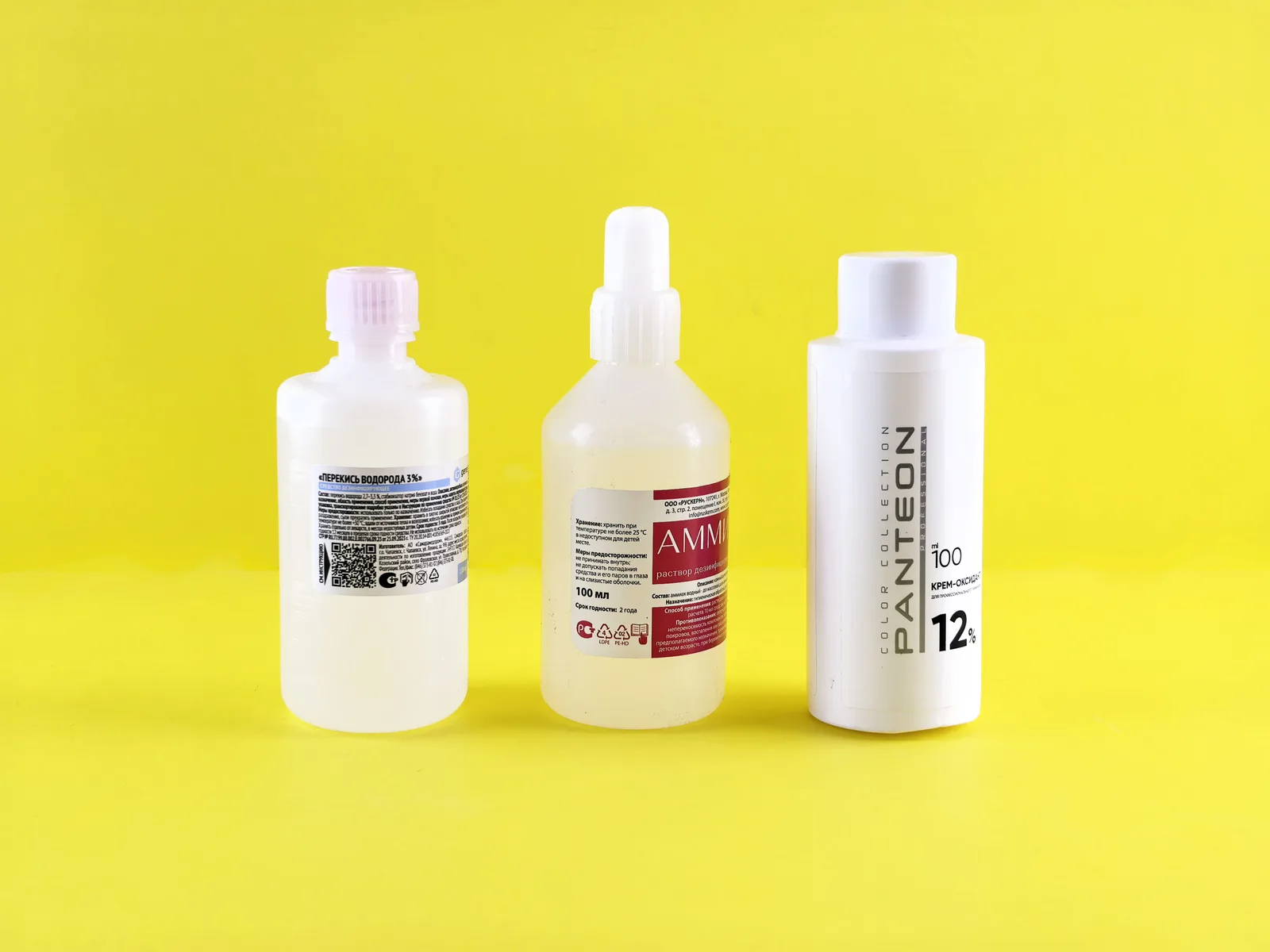
Before chemicals go in the tank, use a training checklist for pressure washing staff. Pick a surfactant with no ammonia or ammonium compounds. Zep, Simple Green, and Clorox Outdoor Bleach are common US product lines, but the label and SDS control what is safe.
Ammonia mixed with bleach makes chloramine gas. OSHA respiratory protection requirements may require a respirator for bleach mist if the SDS warns of inhalation hazards. General PPE requirements include gloves and eye protection for chemical mixing.
The sequence
- Read the SDS and write down the sodium hypochlorite percentage.
- Fill a clean plastic bucket with the full volume of water for the mix.
- Add bleach to the water, not water to bleach.
- Add a non-ammoniated surfactant at the rate shown in the table below.
- Stir with a plastic paddle for 30 seconds until the liquid looks uniform.
- Set the downstream injector tip to the target ratio and test with clear water to confirm draw.
Example mix table for concrete and vinyl
The soft wash bleach ratio changes by surface, and the downstream injector mix determines how much of that bucket reaches the nozzle. Below are ratios based on 12.5% sodium hypochlorite. Adjust for 10% chlorine by using about one fifth more bleach.
Example mix table
| Surface | Final chlorine target | Mix with 12.5% bleach | Downstream injector ratio | Surfactant rate |
|---|---|---|---|---|
| Concrete driveway | 3% | 1 part bleach to 3 parts water | 1:4 injector tip | 1 oz per gallon of final mix |
| Vinyl siding | 2% | 1 part bleach to 5 parts water | 1:6 injector tip if available, otherwise 1:4 with shorter dwell | 1 oz per 2 gallons of final mix |
| Concrete oil-stained area | no bleach first | apply a degreaser per label, then rinse and return with soft wash | not applicable for degreaser | follow product SDS |
Add bleach to water, never the reverse. Splashing concentrated bleach into a bucket can send droplets into your face.
The step that decides the result
The injector tip, not the pressure tap, sets the final bleach concentration. A 1:4 tip draws one part chemical for four parts water, but the actual draw changes with the pickup strainer and hose length. An owner can also use keeps service quality honest to verify a crew follows the mix log. If the tip is missing or the screen is clogged, the downstream injector will not draw any chemical. A visible check is to run clear water through the injector with the chemical pickup tube in a bucket of dyed water, then watch the color appear at the nozzle.
How to check each step came out right
After each step, a measurable or visible check confirms the mix and the injector.
- The SDS is printed or on a phone within arm's reach.
- The bucket shows no visible bleach cloud after 10 seconds of stirring.
- A clear-water test through the injector pulls dyed water and shuts off when the pickup is removed.
- Concrete dwell testa small green algae patch turns white within 10 minutes and the surface does not lose its broom finish.
- Vinyl test panel dries without streaks or chalky film after a rinse.
What to do when a step goes wrong
If the injector does not draw, unscrew the pickup tube, confirm the metering tip is installed, and backflush the screen with clear water. This is the most common failure and the named recovery. If vinyl siding dulls after drying, stop and rinse with soap and water, then wait for the siding to dry before another attempt. A second visit is cheaper than a full repaint, so a Sample pressure washing quotes keeps scope changes clear if you must charge for the redo. Avoid using an acid to neutralize bleach on vinyl; a mild rinse is safer. If the mix burned grass, flood the area with water within a few minutes.
When to stop and hand it to a professional
If the mix must exceed 5% sodium hypochlorite for soft washing, or if the runoff will reach a storm drain without a containment plan, stop. That condition means a licensed applicator with sewer-use knowledge should take over. After the professional fixes the job, use a guide on pressure washing business people recommend to rebuild trust with the client.